
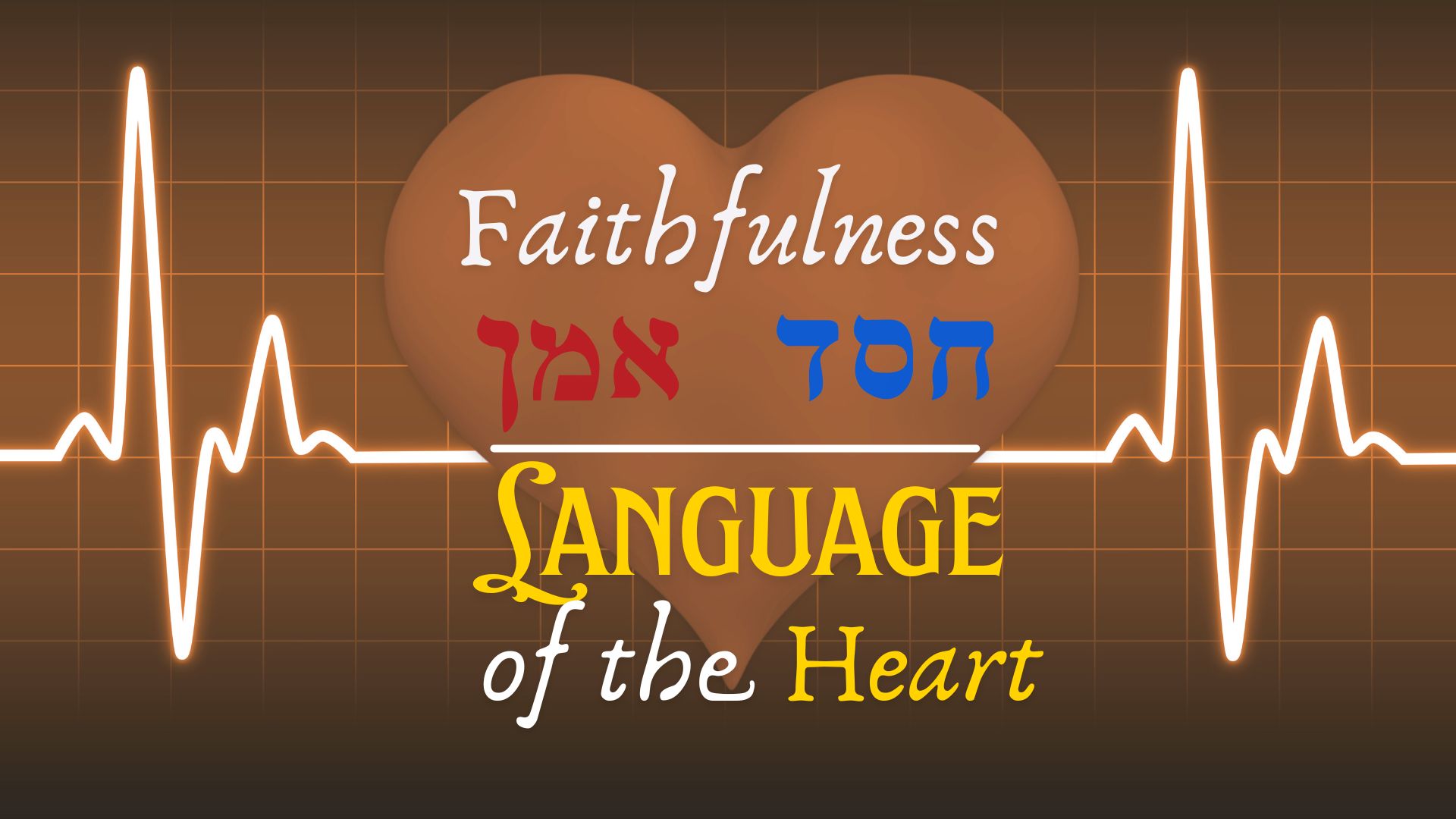
The Language of The Heart: Faithfulness
“A Psalm of David. Hear my prayer, LORD, Listen to my pleadings! Answer me in Your faithfulness, in Your righteousness!” (Psa 143:1, NASB)
One of the most important keys to the language of the heart is the Spirit that is communicating and is communicated. The Holy Spirit is imparted to the Believer not just through the baptism of the Holy Spirit which is huge but also through daily immersions in His Presence through communication. Intimacy produces transformation.
Since the beginning man was created for relationship. Last session we spoke about goodness as the signature of God in His creation. He not only is good, He also creates what is good. His goodness is the container for the creation. It is His secret sauce, the mixture of Himself that makes our lives filled with blessings. As Paul declared:
“And we know that God causes all things to work together for good to those who love God, to those who are called according to His purpose.” (Rom 8:28, NASB)
This tells us that God has a plan that includes us and is for good, to bring about His unique and special flavoring to creation.
The only place where God creates and declares it not good is in the context of man as a solitary agent. God states:
“Then the LORD God said, “It is not good for the man to be alone; I will make him a helper suitable for him.”” (Gen 2:18, NASB)
Our friend and Pastor in Jacksonville, Florida, Paul Zink taught us that isolation breeds deception. We are created needing relationship. Our ultimate need for relationship is with God Himself through the agency of His Holy Spirit.
Yeshua told us:
““But I tell you the truth: it is to your advantage that I am leaving; for if I do not leave, the Helper will not come to you; but if I go, I will send Him to you.” (Jhn 16:7, NASB)
The word “helper” is the same in both Genesis 2, and John 16. This tells us 2 things. First that woman was created to help in the same way that the Holy Spirit was sent to help. Secondly, it tells us that relationship is transformative. By that I mean, we are transformed not just changed by who we associate with. This is why the character of those who we allow to speak into our lives is so critical.
This is indicated by Paul’s comparison of marriage to the relationship of Christ and the Church.
“FOR THIS REASON A MAN SHALL LEAVE HIS FATHER AND HIS MOTHER AND BE JOINED TO HIS WIFE, AND THE TWO SHALL BECOME ONE FLESH. This mystery is great; but I am speaking with reference to Christ and the church.” (Eph 5:31-32, NASB)
The church is defined as those who have been born-again through the Holy Spirit, not a membership derived group. Because relationship is transformational especially the relationship with the voice of God spoken by His Spirit, we are transformed from glory to glory.
“But we all, with unveiled faces, looking as in a mirror at the glory of the Lord, are being transformed into the same image from glory to glory, just as from the Lord, the Spirit.” (2Co 3:18, NASB)
Revealed in this plan is the fruit of the Spirit known as faithfulness. God is good but God is also faithful. Since we are speaking about the language of the heart, this means that what God speaks to us will always increase our faithfulness.
What exactly does it mean to be faithful? As we love to do, let’s take a look at the Hebrew words translated as faithful. In this case there are 2.
The first and most ancient is the word translated as faithful in God’s declaration about Moses:
“Not so with My servant Moses; He is faithful in all My house.” (Num 12:7, NKJV)
The word here is the often used word, amen. It implies a settled permanence.
Pictographic Meanings of the Letters
Aleph (א): An ox head, symbolizing strength, power, or a leader.
Mem (מ): Waves of water, representing might, chaos, or life-giving liquid.
Nun (נ): A sprout or seed, signifying continuation, offspring, or life.
Combined Meaning
When combined in the root 'aman, these pictographs suggest a concept of being firmly planted, like a tent peg, expressing strength (Aleph) that provides support (Mem/water imagery) and continuation (Nun), leading to meanings like "faith," "trust," "so be it," or "it is established".
Usage
Saying "Amen" was an affirmation of agreement, meaning "I stand firm on this," "it is true," or "so be it," acting as a powerful statement of certainty, just as the word itself signifies.
So the first description of faithfulness is permanence, dependability and certain. Adding amen to our prayers is not just a conclusion but a declaration of certainty. It is the power of our yes! Our words must be certain and true to be faithful.
““But make sure your statement is, ‘Yes, yes’ or ‘No, no’; anything beyond these is of evil origin.” (Mat 5:37)
In this context, I think of the covenant promises made in the wedding vows which are later defined by our resolve to remain faithful in all circumstances, richer, poorer, sicknesss, health etc.
The second word that is translated as faithful is the word “chesed”.
Understanding the Letters of Chesed
ח (Chet): In its pictograph form, it looks like a fence or wall, symbolizing protection, division, containment, or a private space, hebrewwordpics.com.
ס (Samekh): (Often seen in other words, but relevant to the concept's expression) Represents a thorn bush, meaning to prop up, support, or snare.
ד (Dalet): Depicts a tent flap or door, signifying movement in and out, a way, or a place of refuge.
The Pictorial Meaning of Chesed
When combined, the letters suggest entering a protected space (Chet) through a door (Dalet), like finding refuge or mercy.
It's God's active, covenantal love that goes beyond mere feeling to become an action of rescue, loyalty, and provision, extending a path or "door" for someone in need.
Chesed in Action
It's not just a concept but a call to live out loyalty, compassion, and kindness, like visiting the sick, helping the dead, or offering hospitality (classic chesed acts).
It's often linked to spring rains, a life-giving blessing that signifies God's faithfulness and renewal.
I think this translation of faithful speaks of the heart. Amen describes an unshakable commitment but adding chesed means that our commitment, our faithfulness comes from our love, our compassion, our deep caring.
To be faithful, we need to go beyond the power of our word into the place of our heart and love. We go beyond obedience even to our own promises into the heart motivation of love. In love faithfulness, causes us to lose our self-focussed life and embrace another. Yeshua calls this losing our life.
““The one who has found his life will lose it, and the one who has lost his life on My account will find it.” (Mat 10:39)
This is so important. Yeshua questioned that when He returns would He find faithfulness?
““I tell you that He will bring about justice for them quickly. However, when the Son of Man comes, will He find faith on the earth?”” (Luk 18:8, NASB)
I think if we just base our being faithfulness on our ability to keep our word we will perhaps miss the true nature of what He is looking for. In this hour of the love of many growing cold, will we stand out by our love?
He did not say that we would be known as His disciples by our ability to remain steadfast, although that is certainly a key component. What He said is that we would be known by our love.
““By this all people will know that you are My disciples: if you have love for one another.”” (Jhn 13:35, NASB)
In these days, as the love of many grows cold and betrayals are commonplace, will we be the ones who are truly faithful? Will we combine our firmness in our commitments and show our love in the process? There is only way to achieve this. The language of the heart which is transformative teaches us and makes us compassionate, committed lovers.
Activation: Allow the Lord to reveal the places where faithfulness has been challenged in your heart.
Related


To add this web app to your homescreen, click on the "Share" icon
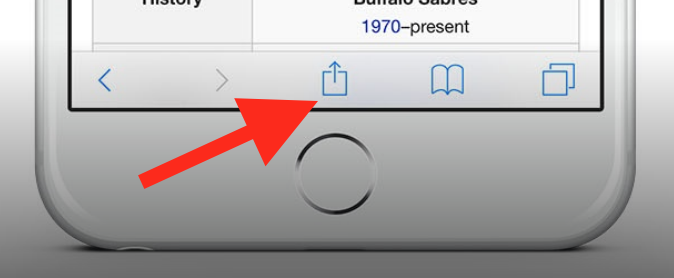
Then click on "Add to Home"

To add this web app to your homescreen, click on the "Share" icon
Then click on "Add to Home"
It looks like your browser doesn't natively support "Add To Homescreen", or you have disabled it (or maybe you have already added this web app to your applications?)
In any case, please check your browser options and information, thanks!
It looks like your browser doesn't natively support "Add To Homescreen", or you have disabled it (or maybe you have already added this web app to your applications?)
In any case, please check your browser options and information, thanks!

Comments for